

Support ASCF
If you liked this article, please share it with your friends and family. You can also help the American Security Council Foundation shape American policy.
Recent Articles


Why Assimilation Is Again Becoming a Strategic Question
Written by Tom Raquer, Lt. Col., USAF (Ret.)
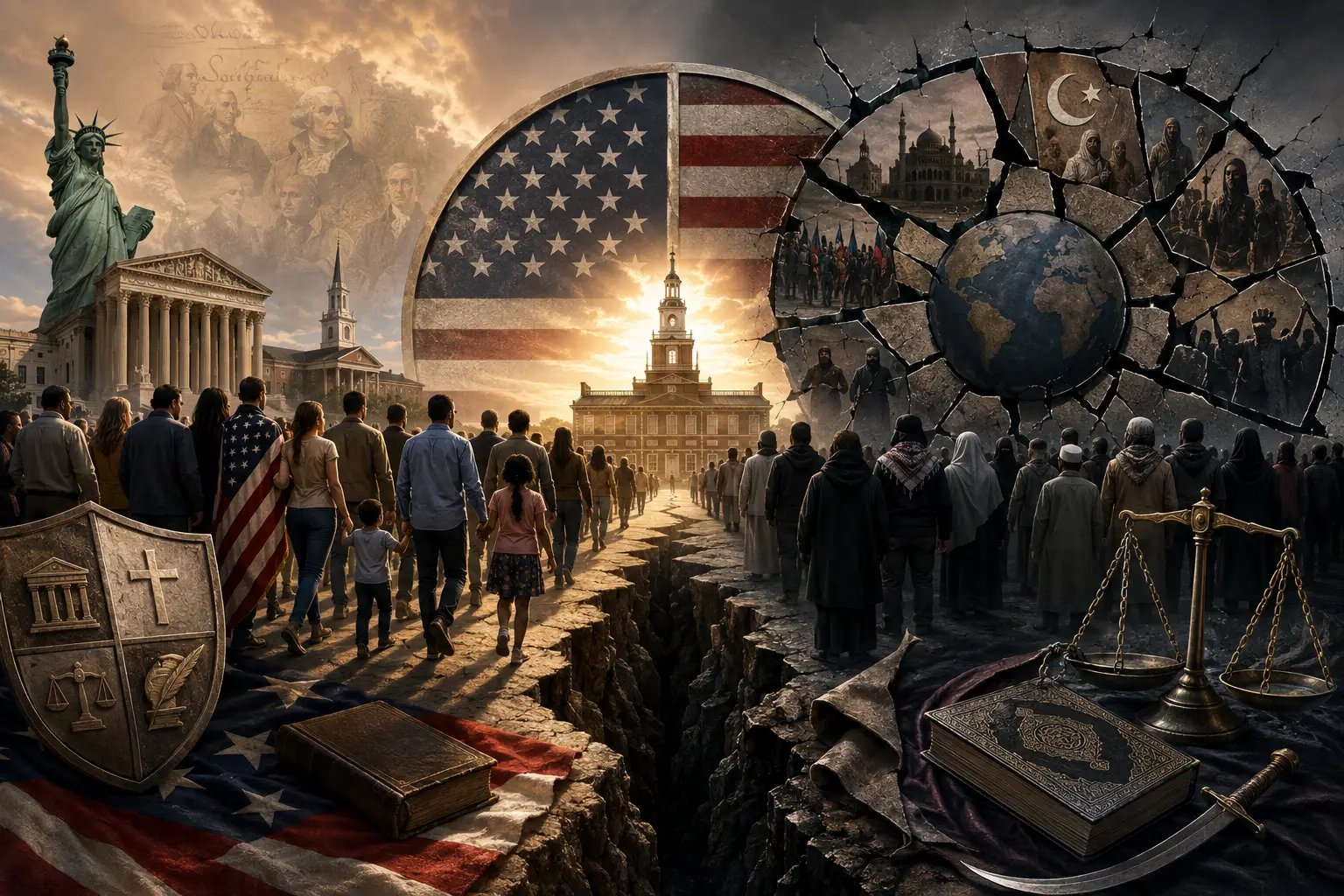
The central challenge facing the American constitutional republic is no longer diversity itself. The deeper issue is whether a shared civic identity can survive once assimilation weakens.
For most of American history, immigration worked because newcomers entered a country confident in its Judeo-Christian culture of Anglo-Saxon common law, the English language, the separation of church and state, private property, and free markets. The United States absorbed enormous ethnic, religious, and cultural diversity while maintaining a civic framework strong enough to sustain national cohesion.
America once expected assimilation as a normal part of citizenship. People arrived from different nations and traditions, but they were expected to become American in public life. That expectation created trust between citizens who otherwise shared little in common.
Today, that expectation has weakened. Multiculturalism increasingly encourages the preservation of subgroup identity rather than integration into a common civic culture.
That shift carries strategic implications. No constitutional republic remains stable indefinitely without civic trust, constitutional legitimacy, and a population that still believes it belongs to the same nation.
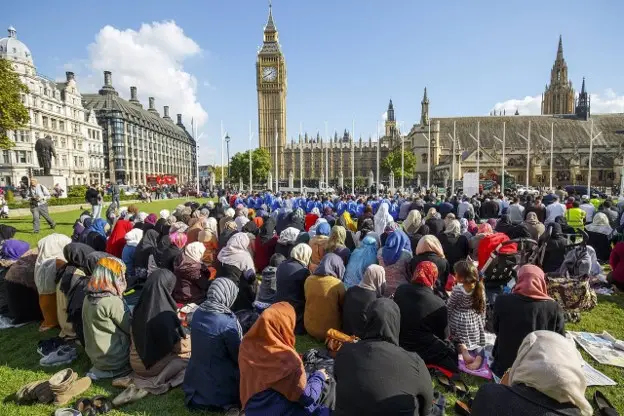
A growing debate in the United States concerns Islam. For many Americans, the question is not whether individual Muslims can become loyal American citizens. Millions already have. Nor is the central issue religious liberty, which remains protected by the Constitution.
Instead, many critics evaluate Islam as a totalitarian civilization, an ideology, a body of doctrine, and a historical system of governance. From this perspective, Islam is viewed not merely as a private religion but as a political ideology that historically integrated religious authority, law, governance, and social organization into a single system.
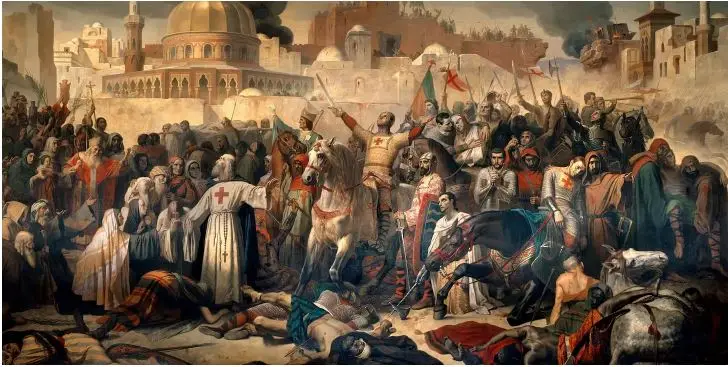
Critics argue that the issue is no longer primarily theological but political. They contend that Islam is a political ideology of conquest and domination, fundamentally opposed to Western Civilization. It should be evaluated based on the historical record of societies governed by traditional interpretations of Islamic law.
They point to restrictions on freedom of expression, blasphemy laws, apostasy laws, limitations on religious conversion, unequal treatment of women and non-Muslims, polygamy, and the historical acceptance of slavery as evidence that important elements of traditional Islamic civilization developed differently from those embraced by modern constitutional democracies.
Critics further argue that traditional Islamic governance was based on the premise that Sharia religious law should govern both public and private life. In their view, religion, law, and political authority historically worked as components of a unified totalitarian civilizational system rather than separate spheres.
As a result, critics view the debate not as a question of religious tolerance but as a political question of competing ideologies of authority, liberty, law, and governance. They argue that concerns surrounding freedom of conscience, freedom of expression, religious conversion, the status of women, and the rights of non-Muslims cannot be separated from the broader doctrinal and historical traditions of Islam.
Whether one agrees with this assessment or not, the debate reflects a growing concern among many Americans that civic cohesion depends upon keeping a shared national identity and a mutual understanding of the principles that govern public life.
History suggests that republics survive not merely because they tolerate diversity, but because they maintain a civic identity stronger than competing systems of communal loyalty. If the United States hopes to preserve long-term constitutional stability, several implications follow.
First, assimilation must again become a legitimate national objective. Durable republics require civic integration, constitutional education, a common language, and confidence in a shared national identity.
Second, policymakers should begin treating civic cohesion as a strategic asset. National power depends not only on military or economic strength but also on the legitimacy and unity of the society supporting the state.
Third, Americans must keep confidence in the Judeo-Christian culture and traditions that created the republic. A society uncertain of its own foundations eventually struggles to assimilate newcomers, preserve national identity, and sustain prolonged competition under pressure.
The future stability of the American republic may depend less on immigration numbers than on whether America still possesses sufficient civic confidence to integrate diversity into a coherent national identity rather than fragment into competing communal realities.